Peptides for Beauty & Skin Rejuvenation: The Science Behind Youthful Skin
How research peptides like GHK-Cu and collagen-stimulating compounds are revolutionizing our understanding of skin aging and repair.
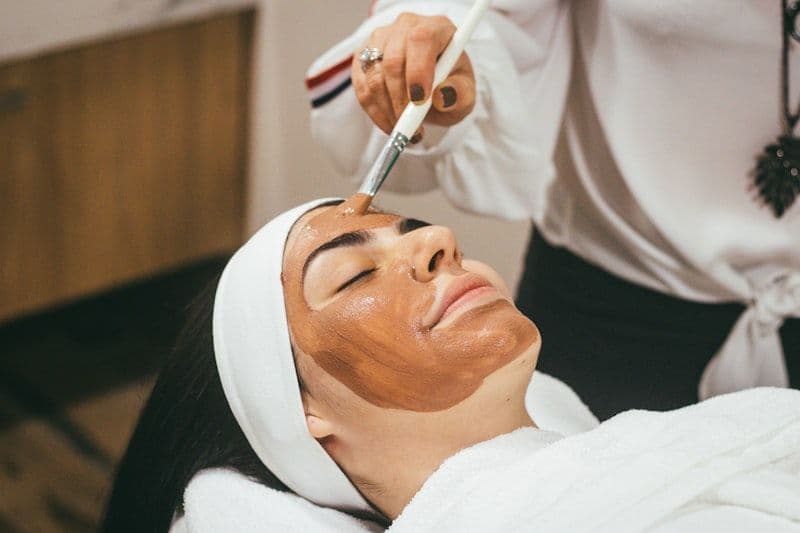
The beauty industry has spent decades promising younger-looking skin through creams, serums, and treatments. But the real breakthrough isn't coming from cosmetic counters — it's coming from peptide research laboratories.
Bioactive peptides are emerging as some of the most promising compounds in skin biology research. Unlike topical cosmetics that work only on the surface, these short amino acid chains interact with cellular signaling pathways that regulate collagen production, wound healing, and tissue remodeling from the inside out.
How Skin Ages at the Molecular Level
Skin aging isn't just about wrinkles. At the cellular level, several processes drive visible deterioration:
- Collagen degradation — after age 25, collagen production drops approximately 1-1.5% per year, while breakdown accelerates
- Glycation — sugar molecules bind to collagen fibers, making them stiff and brittle (Advanced Glycation End-products, or AGEs)
- Oxidative stress — free radicals from UV exposure, pollution, and metabolic processes damage cellular DNA and proteins
- Reduced growth factor signaling — the peptides and proteins that signal tissue repair become less abundant
- Stem cell exhaustion — the skin's regenerative capacity diminishes as progenitor cells decline
Understanding these mechanisms has led researchers to investigate peptides that can potentially intervene at each stage.
GHK-Cu: The Copper Peptide
GHK-Cu (glycyl-L-histidyl-L-lysine copper complex) is arguably the most studied peptide in skin biology research. Discovered in human plasma in 1973, its concentration decreases significantly with age — from about 200 ng/ml at age 20 to 80 ng/ml by age 60.
Research Findings
Laboratory studies have demonstrated that GHK-Cu:
- 1Stimulates collagen synthesis — increases type I and type III collagen production in fibroblast cultures
- 2Promotes glycosaminoglycan production — including hyaluronic acid, which provides skin hydration and volume
- 3Attracts immune cells — facilitates wound healing by recruiting macrophages and mast cells to damaged tissue
- 4Upregulates antioxidant enzymes — increases superoxide dismutase (SOD), glutathione, and other protective enzymes
- 5Modulates gene expression — a 2014 study found GHK-Cu affects the expression of 4,000+ human genes, many related to tissue repair and anti-inflammatory responses
Mechanism of Action
GHK-Cu works through multiple pathways:
- Binds to tissue copper receptors, delivering copper ions essential for enzyme function
- Activates the ubiquitin-proteasome system, which breaks down damaged proteins
- Stimulates transforming growth factor beta (TGF-β), a key wound healing mediator
- Inhibits ferritin channels, reducing iron-mediated oxidative damage
Collagen-Stimulating Peptides
Beyond GHK-Cu, several other peptides are being researched for their effects on collagen metabolism:
Matrixyl (Palmitoyl Pentapeptide-4)
A five-amino-acid peptide that mimics a collagen fragment. In vitro studies show it can stimulate collagen I, III, and IV production. It works by signaling to fibroblasts that collagen has been broken down — essentially "tricking" the cell into producing more.
Argireline (Acetyl Hexapeptide-3)
A six-amino-acid peptide that inhibits SNARE complex formation, reducing neurotransmitter release at the neuromuscular junction. Research suggests it may reduce the appearance of expression lines by limiting repeated muscle contractions — a mechanism similar in principle to botulinum toxin, but through a different pathway.
BPC-157 and Skin Healing
While primarily studied for its effects on gut and tendon healing, BPC-157 (Body Protection Compound-157) has shown promise in wound healing research. Animal studies demonstrate accelerated skin wound closure, increased collagen deposition, and enhanced angiogenesis (new blood vessel formation) at wound sites.
The Role of Antioxidant Peptides
Oxidative stress is a primary driver of photoaging — the premature aging caused by UV exposure. Several peptides are being investigated for their antioxidant properties:
- Glutathione — a tripeptide (Glu-Cys-Gly) that is the body's primary intracellular antioxidant
- Carnosine — a dipeptide (β-alanyl-L-histidine) that scavenges reactive oxygen species and prevents glycation
- Thioredoxin-related peptides — short sequences derived from the thioredoxin system that regulate cellular redox state
Current Research Limitations
It's important to note the current state of this research:
- Most studies are in vitro (cell culture) or animal models — large-scale human clinical trials remain limited
- Bioavailability is a significant challenge — peptides are fragile molecules that can be degraded before reaching target cells
- Dosing protocols for research applications are still being optimized
- Long-term effects of sustained peptide exposure require further investigation
What This Means for Researchers
The intersection of peptide science and skin biology represents one of the most active areas of cosmeceutical research. For laboratories working in this space, access to high-purity compounds is essential — impurities can confound results and lead to unreproducible findings.
At LifeSpanSupply, our GHK-Cu and other beauty-relevant peptides are supplied at ≥99% HPLC purity with full Certificate of Analysis, ensuring your research starts with reliable materials.
All products mentioned are chemical reagents intended exclusively for in-vitro research and laboratory use. Not for human consumption.
Continue Reading
All products referenced are chemical reagents for in-vitro research use only. Not for human consumption.